Skirting, architrave and second fix joinery in Teesside
Second fix joinery in Teesside starts from £300 per room in 2026: skirting, architrave, window boards, door hanging and panelling, cut and scribed to walls that are never quite straight, with materials priced on top of the labour.
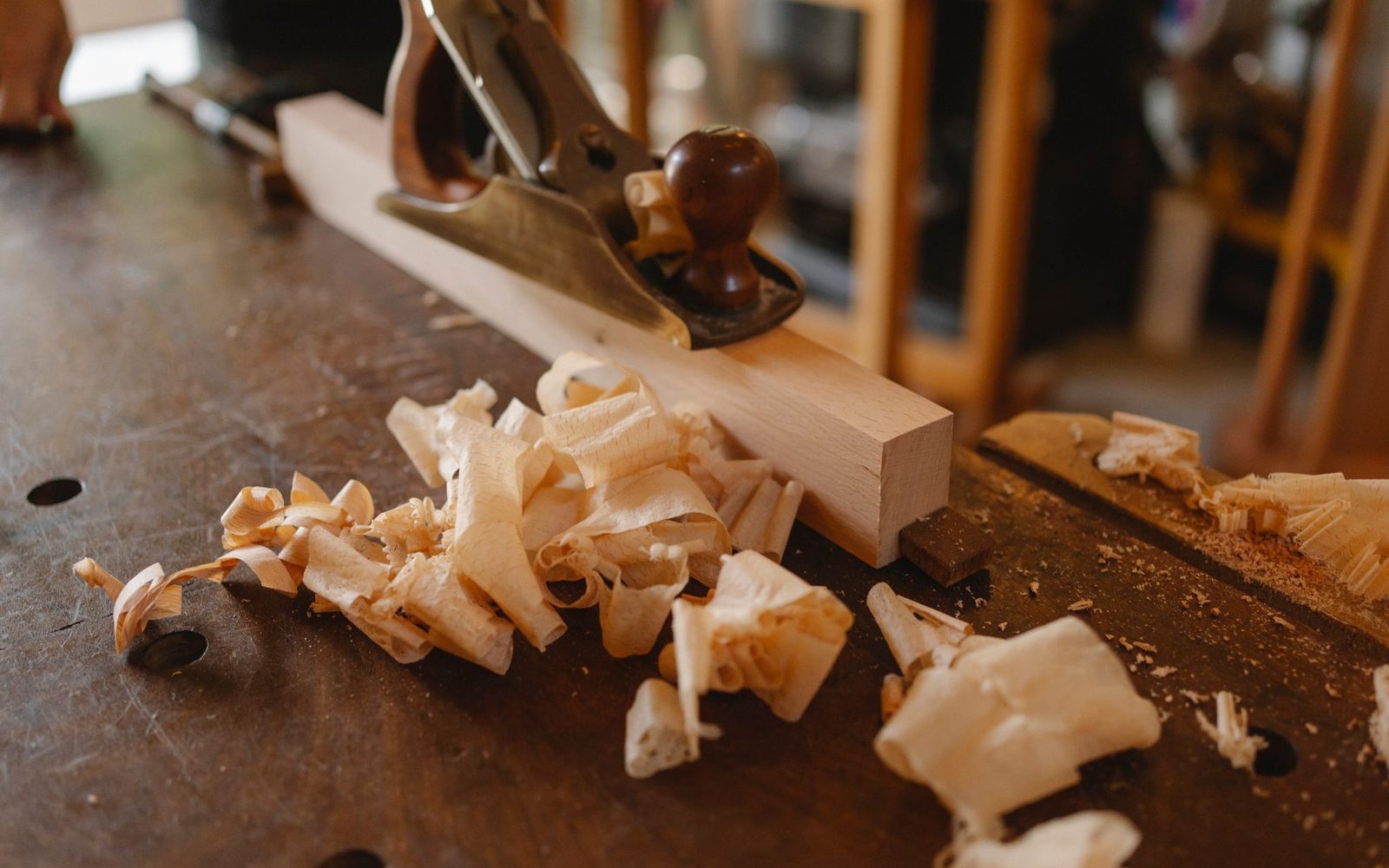
The trim is what people actually see
Second fix is everything that goes on after the plaster: skirting, architrave, window boards, door hanging, staircase parts, panelling and shelving. It is also where a room is judged. Mitres that open up at the corners, skirting that rides a wavy wall, architrave that stands proud of the lining, these are the details visitors notice without knowing why the room feels unfinished. Doing it well is mostly scribing, because Teesside walls, especially in the older terraces, are rarely flat enough for a straight cut to sit tight.
What the work covers
- Skirting: new profiles or matched period patterns, scribed at internal corners and mitred at external ones.
- Architrave and linings: openings squared and packed, then trimmed to sit flush with the plaster.
- Window boards: cut and returned to the reveals, a common job after replacement windows.
- Door hanging: existing or new doors gapped, hinged and latched properly.
- Panelling: shaker style, tongue and groove or picture-frame panelling on chimney breasts, hallways and stairwells.
What moves the price
Room count and run length set the base. After that: profile complexity, since ogee and torus are quick while ornate Victorian sections need matching or machining specially; material, because MDF is cheaper than redwood and redwood is cheaper than hardwood; and how bad the walls are, as a room that needs packing and heavy scribing takes noticeably longer than a newly plastered one. Filling, caulking, sanding and painting may or may not be included, so ask, because a decorated finish is a different job from a fitted one. Panelling is priced by the wall and can run well beyond the from-price for a full hallway.
Matching what is already there
The strongest reason to use a joiner for trim in an older house is matching. Original Victorian skirting is often 200mm or deeper with a moulding no merchant stocks, and a machined match keeps a room honest where a modern off-the-shelf profile would flatten it. New builds around Ingleby Barwick and Wynyard get the opposite brief: taller skirting and added panelling to give plain rooms some weight. Trim work usually follows on from door and frame work and often finishes a kitchen project.